Getting real with the trends – MarketLive Summit report

Setting priorities is always a top challenge for merchants, what with the whirlwind pace of change in the world of online commerce combined with the need to abide by limited budgets. Thankfully, attendees of last week’s MarketLive Summit received significant help with focusing their to-do lists, thanks to industry expert Sucharita Mulpuru, principal eCommerce analyst at technology researcher Forrester.

In her keynote presentation, Mulpuru dissected six big trends that have been generating plenty of hype and presented merchants with real-world options — and, in some cases, alternatives — for acting on them. Among her top revelations:

Multi-channel fulfillment: Walk before running. While major merchants are promoting same-day delivery in some regions, Mulpuru noted that even they can’t offer coast-to-coast coverage — and that consumers overwhelmingly opt for “free” over “fast” when it comes to shipping. For that reason, she advised that most merchants should focus on other priorities when it comes to multi-channel fulfillment, including:

  • “Endless aisle” opportunities for in-store sales. Associates should be trained to help shoppers find and buy items online that are out of stock on store shelves. Self-service kiosks and tablet devices for store associates can help bridge the online/offline divide.

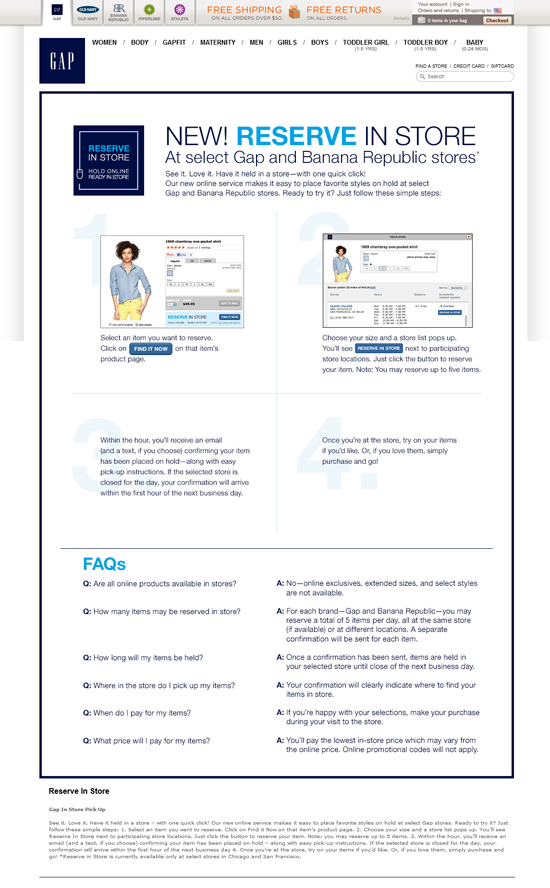
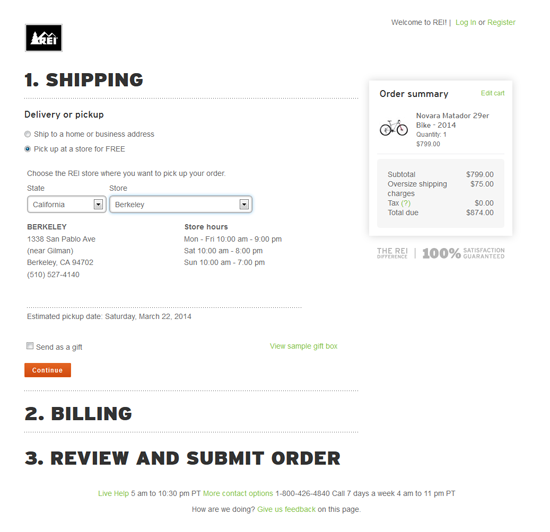
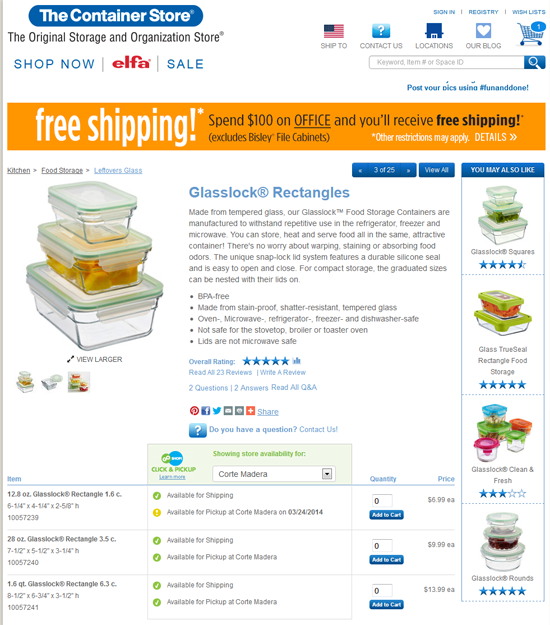
  • Order online, ship from stores. Mulpuru noted that merchants offering the ability to shop online and pick up items in stores have a steep hurdle to surmount, as inventory must be available in the location a shopper selects; by contrast, enabling local stores to fulfill online orders speeds delivery and gives merchants the option of tapping inventory from multiple nearby outlets to get the job done.

  • E-receipts. Delivering physical store receipts via email gives merchants the opportunity to tie together online and offline shopper activity via the shoppers’ email address. For that reason, it’s a top priority for multi-channel brands, Mulpuru said, with more than 40% of merchants in a recent survey saying they’ve implemented it or plan to do so within two years. Macy’s invites shoppers opting for an e-receipt to sign up for email updates at the same time, then follows up with a welcome email tailored to the physical location, including a discount with an in-store redemption option.

E-receipt example from macy's

Basic mobile competence is enough — for now. Mulpuru shared deep-dive analytics on mobile shopping behavior showing that while traffic from smartphones and tablets is growing exponentially, most interactions are shallow and brief. For example, while 10.7% of eCommerce site visits originate on smartphones, just 7.6% of pageviews do — and average conversion is a dismal 0.5%. And she shared dramatic results from two merchants demonstrating that a large investment in mobile doesn’t necessarily translate into higher conversion: both sites garnered 1.5% of online sales from mobile phones, despite vastly different budgets for mobile technology.

Mobile data from Forrester

While it’s possible to interpret this data to suggest that mobile as a whole is overblown as a priority, the fact remains that shoppers do expect to engage with brands via their tablets and phones — so merchants must develop mobile-friendly outposts to meet that demand. And the positive spin on Mulpuru’s data is that even merchants with modest mobile budgets can compete for mobile spending dollars, if they cover the crucial basics we’ve often describeda mobile-friendly shopping experience that incorporates long-standing eCommerce best practices and an easy mobile payment process chief among them.

Brand uniqueness counts more than ever. Using the phenomenon of dynamic pricing as a starting point, Mulpuru led Summit attendees through a fascinating discussion of how the legal underpinnings of commerce have shifted in favor of manufacturers, giving them increasing power to determine how and at what cost their goods are sold — a trend that may well give Amazon and other mega-merchants pause in their race to sell products at the lowest price point. Mulpuru urged merchants to stop obsessing about dynamic pricing and put the focus on products and brands that couldn’t be commoditized — that is, the unique offering that makes their brand a fit for their target audience. Among the practical applications of this recommendation:

  • Brand manufacturers should be the go-to resource for information about their products. Brand manufacturers can compete online for direct-to-consumer sales — and have a distinct advantage in that they are the original experts about their products. Manufacturer sites should reflect that advantage by giving shoppers encyclopedic product information in a variety of formats. Bedding manufacturer Cuddledown provides numerous buying guides, videos and other shopping tools, including a step-by-step guide to selecting the right pillow and a video showing how the pillows are made. A “pillow picker” interactive tool steps shoppers through the process and matches them with individual products.

Product information example from Cuddledown

  • Retailers should emphasize exclusives. Whether individual items made or offered exclusively through their brand or product combinations found nowhere else, unique offerings should be highlighted on retailer sites, giving shoppers incentive to act.Mass merchant Kohl’s spotlights exclusive products by designer Derek Lam in the women’s category, noting that the collection is “Limited Edition. Limited Time.” and using video to engage shoppers with the story behind the apparel.

Exclusive product example from Kohl's

What eCommerce trends top your list of priorities for the coming months, and why?

5 ways to personalize beyond cross-sells

Personalization is becoming increasingly popular on shopping sites large and small, with nearly half of the Internet Retailer Top 500 merchants employing some means of matching shoppers with relevant products based on past behavior or purchases. And new research shows that investments in personalization are worthwhile: according to a recent study from the E-Tailing Group and MyBuys, both awareness and appreciation of personalized offers is on the rise among consumers. Close to half of consumers say they value brands more when tailored product recommendations are offered — an increase of nearly 20% over six months. The percentage of shoppers who say they buy more based on personalized offers via email has similarly grown, by 21%, while the percentage of those who say they buy more based on on-site recommendations has grown by 11%.

Data on personalization from the E-Tailing Group

For merchants, the challenge is how to truly integrate personalization throughout the shopping experience — not just in cross-sells or emails featuring recommended products. Strategies to consider:

Let shoppers actively personalize the experience without registering. First-time site visitors are likely just as eager as frequent buyers to see relevant products — but requiring them to register for an account in order to show them tailored recommendations can be too steep of a hurdle for shoppers unfamiliar with a brand. So devise ways to let shoppers tailor site content and products to suit their needs on the fly, as Destination XL does with its Size Profile. After clicking through five sizing questions, shoppers can opt to “save for current visit” or create an account, and then proceed to browse categories with only items matching their size displayed. They can turn the profile filter on or off at any time from a link accessible in the left-hand navigation.

Fit guide example from Destination XL

Use geolocation — and not just for mobile. Merchants can mine location-based data delivered by the Web browser to deliver relevant site content without asking for it. L’Oreal Paris’ home page features a callout displaying the shopper’s local weather with a beauty tip related to the climate.

Location personalization example from L'Oreal

Similarly, the Home Depot uses geographic data to propose which of its physical store locations is closest to the shopper and uses this information to display in-store product inventory. Even if the location isn’t always correct, highlighting the feature and inviting shoppers to engage and select a different store if necessary calls attention to the depth of in-store information available on the site.

Location personalization example from Home Depot

Make past site activity accessible. Rather than simply mining past visit behaviors to inform product recommendations, merchants should share the data prominently with shoppers themselves, as a prompt to help them recollect what they’ve already considered or even added to cart. Most merchants feature a “recently viewed products” display on product pages, but home goods site Hayneedle.com anchors the tool at the bottom of the page with a floating menu, along with access to the shopping cart.

Recently viewed example from Hayneedle

Outdoor outfitter Cabela’s features recently viewed items prominently on the home page to quickly orient returning visitors.

Recently viewed example from Cabela's

Inform on-site search — including “zero results”. Merchants should use shoppers’ past behavior to weight on-site search results, elevating items in the results set whose brand, size, color or price are similar to previously-viewed items. And they should use that same data to populate the “no results found” page with product recommendations, transforming a potential dead end into a display of potentially relevant items. Shoes.com offers shoppers whose search returns no results a bevy of product options, including items from categories they’ve already browsed and brands they’ve already perused.

Personalization example from Shoes.com

Spotlight the ultimate personalization tool: customer service. While automated recommendations can deliver a relevant experience, there’s nothing like a real human’s discernment to match shoppers with exactly the right products — so merchants should encourage shoppers to connect in person with customer service staff with their questions. Merchants should make customer service access prominent throughout the site and emphasize staff expertise, as jewelry site Blue Nile does when inviting shoppers to connect with customer service, noting that staffers are non-commissioned so have no incentive to sell more expensive items.

Customer service example from Blue Nile

Some merchants have taken this concept even further, offering personal shopping services free to site browsers or as a loyalty club perk. And a small number of online merchants are building new business models premised on the highest level of personal service, such as Trunk Club, which offers men personal shoppers who select ensembles based on style preferences set on the Web site.

Personalization example from Trunk Club

How are you personalizing the shopping experience to drive engagement and sales?

Trend watching: the importance of thinking visually

Merchants have long known that a picture is worth a thousand words when it comes to online selling. According to Internet Retailer’s database of the top 500 merchants, 72.8% of the largest U.S. eCommerce sites offer multiple product views, 85.8% offer an enlarged view of products, and 53.8% use zoom functionality to let shoppers hone in on specific product features.

While such tools greatly enhance the effectiveness of eCommerce site product pages, they’re no longer enough. A growing number of signs indicate that the Internet is becoming an increasingly visual, rather than textual, medium — which means it’s time for merchants to expand their view, as it were, of how to use images to promote their brands and merchandise. Consider these trends:

New technological capabilities process information visually. Building off the growing ubiquity of cameras built into mobile devices, a slew of new technologies enable consumers to take pictures and then retrieve related information from the Internet. Google’s mobile app, Goggles, delivers search results based on images rather than keywords, while the company’s Glass wearable device and promises to give users instant access to information on whatever they’re seeing, without even having to snap a picture.

Google Glass

QR codes that connect consumers to content via scannable codes are also part of the trend; their usage has grown exponentially; fully one in five U.S. smartphone users scanned a QR code as of a year ago, according to data from comScore.

The fastest-growing social phenomena are image-centric. We’ve commented before on the meteoric rise of Pinterest, the social networking site where users share images and links through visually-oriented “pinboards”. But it’s not the only picture-oriented social site that has taken off. According to data from measurement firm comScore, the visual blogging tool Tumblr and the snapshot-sharing site Instagram have also amassed tens of millions of users since launching, and Instagram shares Pinterest’s blistering 284% year-over-year growth rate. The phenomenon isn’t limited to still images, either, with video-sharing tools such as SocialCam, Viddy and Vine rapidly finding audiences.

visualweb Comscore data

Boundaries between screens are disappearing. Fully 58% of U.S. adults go online while watching TV, according to industry researcher Forrester, with tablet computers providing an essential bridge between computer and television: more than 90% of tablet owners use them at home in the living room or bedroom, according to eMarketer — suggesting they’re used for companion browsing while the TV is on — and at the same time they’re large enough to serve as portable televisions themselves, with more than 1 in 3 tablet owners using them to watch movies and nearly 1 in 4 using them to watch TV shows, eMarketer found. This rich mix of visual content and online connectivity is an increasingly ripe opportunity for brands to engage shoppers during leisure hours when they’re receptive to browsing and buying.

For merchants, these trends suggest an emerging imperative to engage shoppers visually at every stage of the customer lifecycle. Now is the time to re-imagine the shopping experience to take into account what Trendwatching.com calls the “Point-Know-Buy” culture, and to experiment with new strategies for combining products, offers and images. A few starting points:

Use video for more than product demos. When devising video strategy, merchants should create compelling content that supports the brand and the lifestyle, not just individual products. How-to content, footage from the brand’s archives, and behind-the-scenes event videos can all enhance the shopping experience visually. Note that these opportunities aren’t limited to brands with “sexy” product offerings such as high fashion apparel or designer home furnishings; more mundane products can benefit from in-depth video treatment, as demonstrated by Yankee Candle Co., which offers an array of video content about getting the most from their products, including a video on “basic candle care”. Such offerings establish the brand as the leading information resource on candles, boosting the credibility of the brand while simultaneously helping shoppers make purchase decisions.

Video example from Yankee Candle

Experiment with ways to marry products and images. Merchants should seek to meld shopping with visual experiences at every turn. We’ve already touched on the emerging phenomenon of shoppable video, which enables shoppers to browse and select products as they’re featured in video content, but solutions also exist for still images, whether it’s an interactive look book that seamlessly marries a visual narrative with the opportunity to select and buy featured items, or individual images with embedded product information that can be displayed across touchpoints, such as when Levi’s used ThingLink during the 2012 holiday season to create links to product information. Brand followers on social networks could mouse over the image and view product links in a popup window.

Shoppable image from Levi's

Tap into user-generated image potential. Whether or not merchants establish their own brand outposts on Pinterest or capture images using Instagram, they should find ways to tap the creative impulses of their brand followers. Prize contests or community recognition can provide the incentive to participate. The Armani Exchange Dressedfor.com site displays fashion photos uploaded to Instagram by brand followers, with contributions occasionally called out on the brand’s Twitter feed.

Social imagery example from Armani Exchange

Use images to bring online offline. Merchants should seek new ways to draw consumers everywhere into the online experience, whether through QR codes in store displays or via product tie-ins on television shows. During New York Fashion Week early last year, L’Oreal offered free rides in taxis emblazoned with product images and scannable codes so that passengers could shop with their mobile phones en route to their destinations. The campaign reached fashion-obsessed consumers in a location conducive to shopping — what else is there to do in a cab stuck in traffic? One in three riders snapped a product image, according to SpyderLynk, which furnished the scannable tags.

Offline online imagery connection example from L'Oreal

How are you using images and video to enrich the shopping experience?

Webinar recap: It’s not just the content — it’s what you do with it

Tuesday’s “Competing with Amazon” webinar dove deep into the topic of content, exploring how merchants can define and differentiate their brands through compelling product, lifestyle and user-generated content.

As MarketLive founder Ken Burke analyzed Amazon’s offerings and identified how merchants can go above and beyond to create unique brand experiences, an important subtext emerged: it’s not just the content itself, but what merchants do with it that matters. “If you build it, they will come” is a fine line for a movie script, but for merchants to maximize their content investments, they need to find creative ways to use content throughout the eCommerce site and across touchpoints. Just a few of the ideas the webinar discussed:

Merchandise product and lifestyle content. On the eCommerce site, merchants should promote content all along the path to purchase — not just on the product page or in siloed content sections. MarketLive merchant Cost Plus World Market showcases an in-depth content section about its Africa Collection not only on product pages, but on the home page and the category page.

Content example from World Market

Similarly, apparel merchant Lilly Pulitzer includes a promotion of the company’s history on a product index page — enabling shoppers easy access to a compelling story that creates a personal connection with the brand.

content example from Lilly Pulitzer

Share your brand value proposition everywhere. Merchants have long known the value of emphasizing their brand’s unique expertise, service and reputation, whether through a logo tagline or a compelling “about us” story. But merchants should find a way to share their brand’s core value statement on every page of the site — or at the very least on every product page, where shoppers can factor in the reputation of the merchant as they make their purchase decision. Auto parts merchant AutoAnything places an easy-to-scan list at the top of product pages, highlighting the expertise and service that back every product.

Content example from AutoAnything.com

Do double duty with user-contributed content. Merchants should take advantage of tools that enable reviews and “question and answer” content to be cross-posted to Facebook and the eCommerce site — thereby elevating visibility of the features for social followers and encouraging participation across touchpoints. Benefit Cosmetics offers an “Ask and Answer” section on Facebook that allows followers as well as Benefit staff to chime in. Readers can rate contributions as well as submit their own; the questions and answers are displayed on the relevant product page of the eCommerce site as well as on Facebook. A question about a product called Dallas received 11 enthusiastic responses from customers, which were also displayed on the product page alongside nearly 100 reviews and ratings.

content example from Benefit

Give video star status. Given Amazon’s paltry video offerings, merchants would do well to adopt a “video first” strategy when it comes to developing content — and to highlight video content across touchpoints. On the product page, for example, video should be given equal prominence with still images, as on the Brookstone site, where a tabbed format gives product demonstration videos equal prominence with still images. A “Play” icon on the default image further signals that video is available.

Content example from Brookstone

And content that goes beyond product demonstration videos can make for a compelling experience across touchpoints. Buy.com’s weekly “BuyTV” program, spotlighting timely product categories such as Easter, attracts users not only to the main eCommerce site’s video content section, but on YouTube and Facebook as well.

content example from Buy.com

For more winning content strategies and examples, replay the webinar or download the companion whitepaper. How are you using content across touchpoints to increase brand engagement?

Webinar preview: content to compete with Amazon

As discussed in our 2013 trends webinar, the top priority for merchants this year is brand differentiation. The competition for consumers’ dollars is fierce, with top mega-brands attracting the lion’s share of revenues on one end of the spectrum even as the field of small- and mid-sized merchants becomes ever more crowded.

This polarization is so marked that we thought it worthwhile to take a look at the biggest of the big sellers — Amazon.com — and to examine how merchants can successfully position themselves and compete. Amazon’s playbook is certainly worth studying, based on the site’s success: in the past five years, U.S. eCommerce sales grew an average of 14% annually, while Amazon’s North American revenues grew by more than double that rate, at  an average of 36% per year, according to industry researcher Forrester.

Small- to -mid-sized merchants can gain brand exposure by participating in Amazon’s network of Marketplace sellers, but ultimately, they want to establish a direct relationship with consumers. That’s a difficult proposition when Amazon’s economies of scale enable it to offer the most efficient shipping — and a low free shipping threshold — along with discount prices on nearly every item.

But there’s evidence that consumers recognize value beyond pricing. When asked what factors influence their buying decisions, 77% of shoppers said they consider a brand’s reputation, 79% said they value a broad assortment of items, and 66% said a unique selection is important, according to the MarketLive Consumer Shopping Survey. These statistics suggest that merchants who can articulate their uniqueness as a brand — especially when compared with Amazon’s mega-warehouse identity — can not only survive, but thrive.

On Amazon, nearly everything under the sun is available – but all those items are presented and merchandised identically, without calling attention to unique product attributes or supporting the lifestyle of the potential buyer. In short, Amazon sells products; the rest of us have the opportunity to sell brand experiences.

A key component of creating a brand experience is content, which will be the focus of tomorrow’s webinar, the first in a series devoted to competing with Amazon. Previously, we’ve discussed how content can position merchants well for SEO and connect them with consumers across touchpoints. As it turns out, the right combination of text, images, videos and user contributions can also create a wholly unique and irresistible value proposition, one that presents a viable alternative to Amazon.

The webinar will examine and explicitly compare Amazon and successful specialty merchants in four key areas for developing uniquely alluring content:

Unique product pages. Merchants can not only exceed the amount and depth of information presented on Amazon’s product pages, they can break free from the standard format to design and create content that caters to their specific audiences. For example, the specialty merchant eBags helps shoppers match their laptops with appropriately-sized backpacks and satchels — a specialized tool Amazon doesn’t offer.

Content example from eBags

User-generated content beyond ratings and reviews. At first glance, it seems like small- to mid-sized merchants can’t compete with Amazon when it comes to user-generated content, as Amazon’s massive audience almost guarantees that it will have the largest number of ratings and reviews. But sheer volume isn’t everything. Specialty merchants have the ability to go beyond reviews on the product page to tap a wide range of user-generated content that conveys brand identity – from social media contributions to customer service support. For example, the brand testimonials offered by fitness program creator Beachbody go beyond simple ratings and reviews or even the before-and-after pictures offered for their products on Amazon. Testimonials such as this one from Robert R., who describes gaining “happy weight” in the first years of his marriage, identify situations prospective buyers can identify with.

Content example from Beachbody

Deep value-added content. To create a truly superlative brand experience, merchants should supply still another category of content: authoritative value-added content that demonstrates the brand’s in-depth knowledge of the customer’s lifestyle. Buying guides with personality, behind-the-scenes content, expert advice and blogs all give merchants the opportunity to distinguish their brands. The founder of apparel brand Lilly Pulitzer originally ran a juice stand and made her first fashion creations with bold prints to cover up the juice stains; a section of the eCommerce site on the company’s history is presented with bold graphics in the same vivid colors as the company’s now-famous prints. The history serves to ground the brand in a personal story and add meaning to the products on offer.

Content example from Lilly Pulitzer

Video. More than 50% of the nation’s population watched an online video in January of 2013, according to measurement firm comScore — but it’s a format that’s conspicuously absent from Amazon.com. Apart from scattered video reviews submitted by customers and a handful of online video tutorials for its own branded Kindle e-reader products, Amazon has no video content to speak of. This lack presents a huge opportunity for other merchants to provide shoppers with a compelling brand experience they can find nowhere else. By developing video content to support products and lifesyle, and encouraging consumers to submit their own, merchants can win a definite advantage over Amazon.

Tune in to the webinar tomorrow at 10 a.m. PDT — and meantime, let us know: what content has proven compelling for your brand?

Should you implement responsive design?

As merchants strive to serve shoppers on a growing array of devices, the concept of responsive design has definite allure. And with over a quarter of merchants planning a site redesign this year and more than 40% saying mobile and tablet development are a priority, according to industry researcher Forrester, responsive design may become one of 2013’s top buzzwords.

The premise is that a single base of code can serve multiple touchpoints by detecting the device and browser used and changing the layout and functionality on display accordingly — promising merchants a streamlined process for updates and maintenance. But is responsive design really the right choice when it comes to building a seamless brand experience? There are a number of pros and cons to weigh, among them:

Ease of maintenance vs. ease of use. It’s true that responsive design makes site maintenance easier for merchants — but it’s even more important to consider the site experience for shoppers. While sophisticated use of code can resize, rearrange and even add or omit elements on the page, it can be difficult to create a truly device-specific experience that meets or exceeds shoppers’ expectations. For example, the footer on the desktop browser version of the responsive site for Perry Ellis brand Original Penguin includes an 800 number and a badge indicating shoppers can pay with Paypal, both of which are dropped from the mobile version of the same page. But arguably, the phone number — with click-to-call functionality built in — is more important than ever on the mobile site, where merchants should use every means at their disposal to build trust and ease communication with consumers wary of making purchases on their phones. Similarly, the Paypal badge should be even more prominent than on the desktop site, given that more than two-thirds of transactions on mobile phones are completed using alternative payments rather than entering credit card data.

Responsive design example from Original Penguin

Desktop footer


responsive_op_mobile

Mobile footer

It’s important, too, to consider the content of shared elements and whether they truly scale to fit different formats. U.K. electronics giant Curry’s uses responsive design to deliver different sites to mobile and desktop browser users. The main rotating promotions on the home page, however, don’t exactly fit the designated space when viewed on the mobile browser — and some of the images containing multiple products are just too tiny to be effective.

responsive_currys

Desktop home page promo

responsive_currys_mobile

Mobile home page promo

SEO boost vs. performance drag. Another potential benefit to responsive design is that all inbound links from any device or browser point to a single URL — giving that flagship site maximum potential relevance when being ranked for natural search engine results. It’s a worthwhile consideration, since the number of inbound links originating from mobile is significant; for example, fully 40% of mobile phone users visit social networking sites on their phones — and potentially share product links, “likes” and reviews there.

At the same time, the complexity of the code required to build a truly responsive site can add to page weight, affecting site performance and frustrating the potential customers who clicked on that page-one search results link. As of 2010, Google’s search algorithm factors in site speed, penalizing slower sites as potentially less credible — thereby potentially canceling out some of the positive SEO impact of having a single URL. And on mobile devices, the expectation for speed is more acute than ever; performance monitoring firm Gomez found that 59% of mobile users expect sites to load in 3 seconds or less, while 46% of mobile users would be unlikely to return to a site that had experienced load time problems.

Of course, using separate sites for different devices can cause problems of its own — namely, the loss of speed associated with redirecting shoppers to the right URL. And as with usability and functionality problems, there are ways to avoid performance problems associated with responsive design, such as starting with the mobile version and adding enhancements for tablets and desktops, rather than trying to go from large to small. But the majority of responsive design sites currently don’t employ these techniques, according to performance firm Akamai, which found that 86% of responsive sites’ mobile pages were at least 90% as big as the desktop browser versions.

responsive_akamai

The upshot? Merchants undertaking a redesign should consider using responsive design, as it has great potential. But they should weigh the costs of doing it right versus the costs of maintaining separate sites for different devices — and recognize that responsive design isn’t a cheap silver bullet for solving all their multi-touchpoint needs.

Best practices for social login

As noted in our last post on 2013 trends, using social login can help merchants individualize the shopping experience for brand followers. And research shows that consumers appreciate the option: according to marketing firm Monetate, 40% of shoppers prefer using social login to creating an account on the eCommerce site.

But despite the potential upside, few of the largest U.S. merchants have taken the opportunity to implement social login — just 30 of the merchants in Internet Retailer’s Top 500 have done so, according to marketing firm Sociable Labs. The threat of brand dilution posed by displaying other sites’ logos on the eCommerce site, and the fact that merchants don’t own the data shared by social login users, are perhaps among the reasons driving this reluctance. As a recent analysis by email service provider MailChimp demonstrated, the key is to avoid assuming social logins can solve all a site’s conversion and engagement challenges. Merchants need to assess the potential upside of social logins for their own unique brands and act accordingly.

Despite the caveats, we believe social logins have the potential to drive significant brand engagement, and worth pursuing. But doing so is more than a matter of simply putting a button on the first page of checkout. To maximize the effectiveness of social login, merchants should consider the following strategies:

Know which logins matter to your audience. By far the most popular social login is Facebook’s, according to the Monetate study; fully 60% of shoppers use it, while other social networks’ logins each have less than 15% share. Given that 66% of U.S. online adults use Facebook, according to the Pew Internet & American Life Project, most merchants considering social login should plan to implement Facebook Login. But depending on their audience, merchants should also consider adding logins from other social networks, from Twitter to LinkedIn. Careful study of analytics and an assessment of which social networks have the largest audience of brand followers can help merchants assess which logins to use. The key is to offer the right mix for the audience without presenting an overwhelming array of options for shoppers.

Integrate fully. Too many merchants who use social login go on to ask shoppers to set up a separate account password for the eCommerce site — but the aim of using social login should be to smooth the path to purchase, not erect more barriers. Of course merchants should strive to establish their own direct relationship with shoppers; but they should implement a phased approach that encourages existing social login users to deepen their relationship, rather than forcing the issue up front. 1-800-Flowers gives Facebook Login users full access to the eCommerce site’s account tools, such as reminder services and address book creation, without creating an additional password.

Facebook login example from 1-800-Flowers

Develop true social shopping opportunities. As a corollary to the above, merchants should make it worthwhile for shoppers to connect via social login by doing more than pre-populating a few checkout fields. Easily-shareable wish lists are a good starting point, but merchants should also develop shopping experiences that draw on shoppers’ social profiles to bring their network of friends and their personal preferences into play. Apparel merchant Charlotte Russe enables social login users to view a real-time stream of what items are being liked and commented on. Shoppers can filter the stream to view only their friends’ picks, and control whether their own selections are shared or not.

Facebook login example from Charlotte Russe

Merchants should also consider reminder services that incorporate social login users’ friend feeds. Amazon.com not only lets shoppers know which Facebook friends have birthdays coming up soon, but also makes gift recommendations based on friends’ prior purchases and history of product “likes” on Facebook.

Facebook login example from Amazon

Give users privacy controls — and message prominently. With Facebook and other social networks often grabbing headlines for privacy gaffes, it’s crucial for merchants to clearly outline how social login functionality will work, what user data will be culled from their social profiles, and what information will be shared with users’ friends by the merchant — and social login users should be able to exercise privacy control at multiple points along the engagement path. When designing their social login experiences, merchants should pay special attention to:

  • Signup messaging. Shoppers offered the option of a social login should understand the benefits and what information will be shared before beginning the process. Then, once they’ve opted to use the social login, they should be able to exercise control over how their information will be shared. On the first page of checkout, Wine.com gives shoppers an extensive explanation in a pop-up window of how Facebook Login works. Those who opt to use the social login are then notified of which data the tool will use and given the option to control how information is shared on the social network.

Social login example from Wine.com

  • Social login example from Wine.comSharing “likes.” When social login users add products to their list of favorites or “like” the items, they should be alerted to how that information will be shared — and given the option to edit the settings. Department store Barney’s launches a pop-up window when a shopper first uses the “Favorites” tool and lets shoppers select whether or not to share their picks.

Social login example from Barney's

  • Global control. From any page of the site, shoppers should be able to access their account and turn social sharing on or off; they should also be able to log out completely. Accessory retailer Claire’s offers a drop-down menu in the global navigation that enables shoppers to switch sharing on or off without leaving the browsing experience; users can also opt to log out completely. A fly-out help menu clearly delineates how sharing works and offers the further option of disconnecting from Facebook altogether.

Social login example from Claire's

Are you using or considering social logins for your site? Why or why not?

Webinar recap: Shopping without borders

If there’s one theme that emerged from last week’s webinar on trends for 2013, it’s that this year will see shopping escape the confines of the eCommerce site.

MarketLive founder Ken Burke explained how often-discussed but rarely-implemented concepts such as social commerce and multi-channel execution are due to come to fruition, resulting in an experience where shopping seamlessly blends with a consumer’s individual lifestyle. Rather than having to seek out products nested within eCommerce site categories, shoppers will be able to access items in new formats, presented with their individual devices, locations and situations in mind.

Finding new ways to marry shoppers’ preferences with products is an essential means of brand differentiation, which — as discussed in our preview of the webinar – will be merchants’ core challenge for 2013. By attuning technology to match shoppers’ priorities and the core identity of their brands, merchants can stand out in the crowd. A few top strategies the webinar covered:

Designing tablet-specific experiences. Burke estimated that 25% of all online shopping now takes place on tablets — and there’s growing evidence that tablet shoppers are more likely to buy, and buy more, than mobile and perhaps even desktop shoppers. So it behooves merchants to take advantage of the devices’s unique properties — not only its screen size and swipe-and-tap navigation, but the environment in which shoppers use tablets. Tablet owners use them at home 74% of the time, according to eMarketer, while just over a third use them in stores. By contrast, the vast majority of smartphone owners go online on their devices from on-the-go locations, with 75% using them in stores, industry researcher Forrester found. Merchants should optimize the shopping experience for tablets with display-driven formats that enable swiping to browse, as Staples has done with a  tablet-specific site that includes an array of “hot deals” and best sellers for shoppers to swipe through.

Tablet example from Staples

Connecting on-the-go browsing to buying. Smartphone shoppers are 14% more likely to convert and make a purchase in the store than non-smartphone users, according to data from Deloitte — the trick is to provide deep, location-relevant content that encourages purchasing. As a corollary benefit, developing mobile content intended for in-store use helps merchants quantify and track consumers’ movement across touchpoints – enabling them to tighten the mobile-to-purchase connection and justify further investment in mobile efforts. QR codes are increasingly prevalent, with one in five U.S. consumers having scanned one in the past month, so merchants would do well to experiment with this format for physical stores. As an extreme example, Burke showed how eBay has transformed its Inspiration Shop window at 404 Park Avenue South in New York into a buying opportunity using QR codes to link passersby to products and transactions.

eBay physical store with QR codes


Embedding products in pictures. Merchants have long known that multiple images and product videos help increase conversion; now, it’s possible to make the transition from image to transaction even more seamless, with product links and displays built into rich media that can be syndicated far beyond the eCommerce site. Barney’s New York used a behind-the-scenes video to showcase products with a product popup display that allowed shoppers to add items to the cart without disrupting their viewing experience. A timeline across the bottom of the display lets shoppers scroll back to items of interest.

Shoppable video example from Barney's

Redefining social shopping. At first, merchants who wanted to monetize social media focused on Facebook stores as a way to enable shoppers to buy within the social environment. Those efforts have seen mixed success, largely because merely adding a “buy” button fails to take advantage of the unique properties of the medium. Rather, by integrating social data with products merchants can create an engaging experience for brand followers. On social networks, that means building interactive social media experiences that allow shoppers to share and tailor product arrays. But perhaps even more exciting is the prospect of bringing social data back onto the eCommerce site, where merchants can blend shoppers’ personal preferences and social data with relevant products using Facebook login and other social connector tools. When shoppers use Facebook in conjunction with accessory retailer Claire’s, they can access a “Fashion Feed” showing which items other shoppers — everyone or just friends — are tagging as favorites, and they can opt whether to add their product picks to the mix.

Facebook integration example from Claire's

Using social login is so important that we’re planning a post dedicated to best practices for implementation — watch for it in the coming week. Meantime, to access more key strategies for 2013, replay the webinar — and tell us: what are your priorities for the year?

Webinar preview: trends to help brand stand out in the crowd

Now that the exuberance of the successful holiday season has worn off, for many merchants the reality of 2013 is setting in – and while they have every reason to be optimistic, they also face a fundamental challenge: how to stand out in the crowd.

The online marketplace is increasingly polarized, as the top mega-brands attract the lion’s share of revenues on one end of the spectrum even as the field of small- and mid-sized merchants becomes ever more crowded. While overall U.S. eCommerce sales grew an average of 14% annually from 2007 to 2011, Amazon’s North American revenues grew by  an average of 36% per year for the same time period, according to industry researcher Forrester.  And nearly 78% of the total 2011 revenues reported by Internet Retailer’s Top 500 merchants was generated by the 50 biggest names on the list. With over two million online retailers in the U.S. alone, according to the U.S. Commerce Department, merchants must differentiate themselves in order to survive, let alone succeed.

The challenge of creating uniquely irresistible appeal will be at the heart of tomorrow’s webinar examining 2013 trends, which will explore three key themes merchants can adapt to their individual businesses to present a relevant combination of products, offers and services across screens and in new formats. Among the topics MarketLive founder Ken Burke will discuss:

Multi-screen shopping becomes the norm. As merchants have deployed mobile offerings, they’ve largely focused on browsing and researching – activities that support eventual offline or computer-based purchases.  After all, just over a third of smartphone users have finalized a transaction on their devices, compared with the 96% who’ve researched products and gone on to make purchases offline or on a larger screen, according to research from Google and Ipsos. But the imperative is growing to focus on driving sales directly from mobile offerings. One key reason: the growing audience of tablet shoppers are more than twice as likely to make purchases on their devices than smartphone shoppers, in part due to the larger screen size that makes it easier to view products and complete checkout forms. But even on smartphones, merchants have an opportunity to better drive mobile revenues, whether by smoothing the path to purchase or tightening the mobile/offline connection so that they can better attribute eventual sales to mobile influence.

The end of the product page as we know it. Rather than seeking out static product information sequestered within a hierarchy of categories and subcategories, increasingly consumers can shop from a variety of online settings that are seamlessly permeated with opportunities to browse and buy. This revolution in content and product presentation is an outgrowth of advances in mobile technology that allow device users to search and identify non-textual content – from visual search tools such as Google Goggles, which delivers search results based on images rather than keywords, to Shazam, an app that can identify songs based on an audio snippet.  QR codes that connect consumers to content via scannable codes are also part of the trend; their usage has grown exponentially, with fully one in five U.S. smartphone users scanning a QR code in April of 2012, according to data from comScore. Shoppable videos and artful product-and-text layouts appeal to the same sensibility of being able to “point, know and buy”.

Shoppable video example from Barney's

Personalization moves to the next level. Merchants have been making increasingly earnest efforts at personalization, and for good reason: the rewards for tailoring products, content and service are potentially significant. More than one in three consumers say they buy more from retailers who personalize the shopping experience and 34% say they buy more from retailers who send product recommendations based on past buying and browsing behavior, according to research from personalization firm MyBuys and The E-Tailing Group.  With an ever-expanding array of information available about individual behaviors, and a growing expectation on the part of consumers that products will be relevant to their specific situation, the bar is being raised on personalization. Merchants should now explore ways to incorporate location-based data from mobile devices and personal details gleaned from social networks as way to add further context to the shopping experience. But personalization in 2013 is also about drawing on shoppers’ explicit input and providing individualized services that make every transaction unique.

Sign up now for the webinar to explore these trends in further depth, complete with examples and more data. We look forward to the conversation!

Holiday wrapup: Sales grew 28% despite lull in final week

Two weeks into 2013, the final reports from the 2012 holiday season are rolling in — and the results should make merchants optimistic for sales in the year to come. Industry-wide, spending was up 14% over 2011 for November and December, according to measurement firm comScore, despite leveling growth in the final weeks of the season as consumer confidence was shaken by the “fiscal cliff” negotiations in Washington.

Data from the MarketLive Performance Index shows a similar lull in year-end activity, with engagement and conversion dipping slightly for the week ending December 30. Revenue still grew 2.2%, however, thanks to increased visits of more than 13% and a nearly 5% jump in average order value.

Despite the year-end slowdown, the Index shows significant year-over-year gains, with revenue increasing more than 28% and conversion rates up 7.4% — suggesting that small- and mid-sized merchants held their own against mass merchants and discount sites.

Holiday data from the MarketLive Performance Index

Although the holiday season is officially over, merchants haven’t let up the pace. Post-Christmas sales have given way to Valentine’s Day promotions and previews of new spring merchandise. They’re also taking advantage of the more than 25% increase in visits over the holiday period to acquaint new brand followers with relevant offerings in the hopes of maintaining engagement. To that end, our next two blog posts will explore how to make the most of new audiences by selling socially beyond the “buy” button and keeping new email subscribers engaged — stay tuned!

Overall, the holiday challenge merchants faced to differentiate their offerings in a crowded marketplace will become a year-round preoccupation in 2013, as big brands get bigger and smaller merchants battle fiercely for ownership of their niches. We’ll explore this concept in-depth — as well as look at the top trends and strategies merchants can adapt to fit their brands’ unique needs — in a webinar slated for February 6. Register today — and meantime, let us know: what are your top priorities for the year to come?


Switch to our mobile site

WordPress SEO fine-tune by Meta SEO Pack from Poradnik Webmastera